First In StayTOKYOGINZA · TSUKIJIGuest check-in

Pour-over coffee, cheese sweets and everyday trains

Yanagikoji was temporarily discontinued during the war, and a station was re-established there in 1948, together with Yuigahama, restoring the Enoden railway to a fifteen-station layout. Today, Yanagikoji remains a small residential station, with alleyways, cafés, and dessert shops forming a quiet pause along the journey. It's ideal to stroll slowly along public roads and extend further toward Kugenuma, experiencing how this scenic railway is also an integral part of daily life for residents.

This stop, walk like this · Suggested 75–110 minutes

From the lotus pond image on the platform to the actual lotus pond

Lotus viewing is chiefly a summer activity. The city's reference flowering season is early July to mid-August, but blooms may arrive earlier or later in a particular year. Outside the flowering season, shorten the pond stop as appropriate. Small shops have closing days, and residential lanes must be left clear for residents to pass.

What to look for in each section
  1. 01

    Yanagikoji Station mural

    Look for lotus ponds, animals and willow trees in the artwork.

  2. 02

    Lotus ponds in Sakurakoji Park

    Walk westward along the residential district to view the pool water and summer lotus flowers.

  3. 03

    bonbonbons.

    Return to the railway for takeaway cheese sweets.

  4. 04

    cotocoto coffee

    Finish with a pour-over coffee nearby.

Both shops are near Yanagikoji. There is no need to lengthen the route just to eat two rounds of sweets; choose either one if you prefer.

Sources

THE STORY OF EN03

Pour-over coffee, cheese sweets and everyday trains

Pause for coffee as a train passes

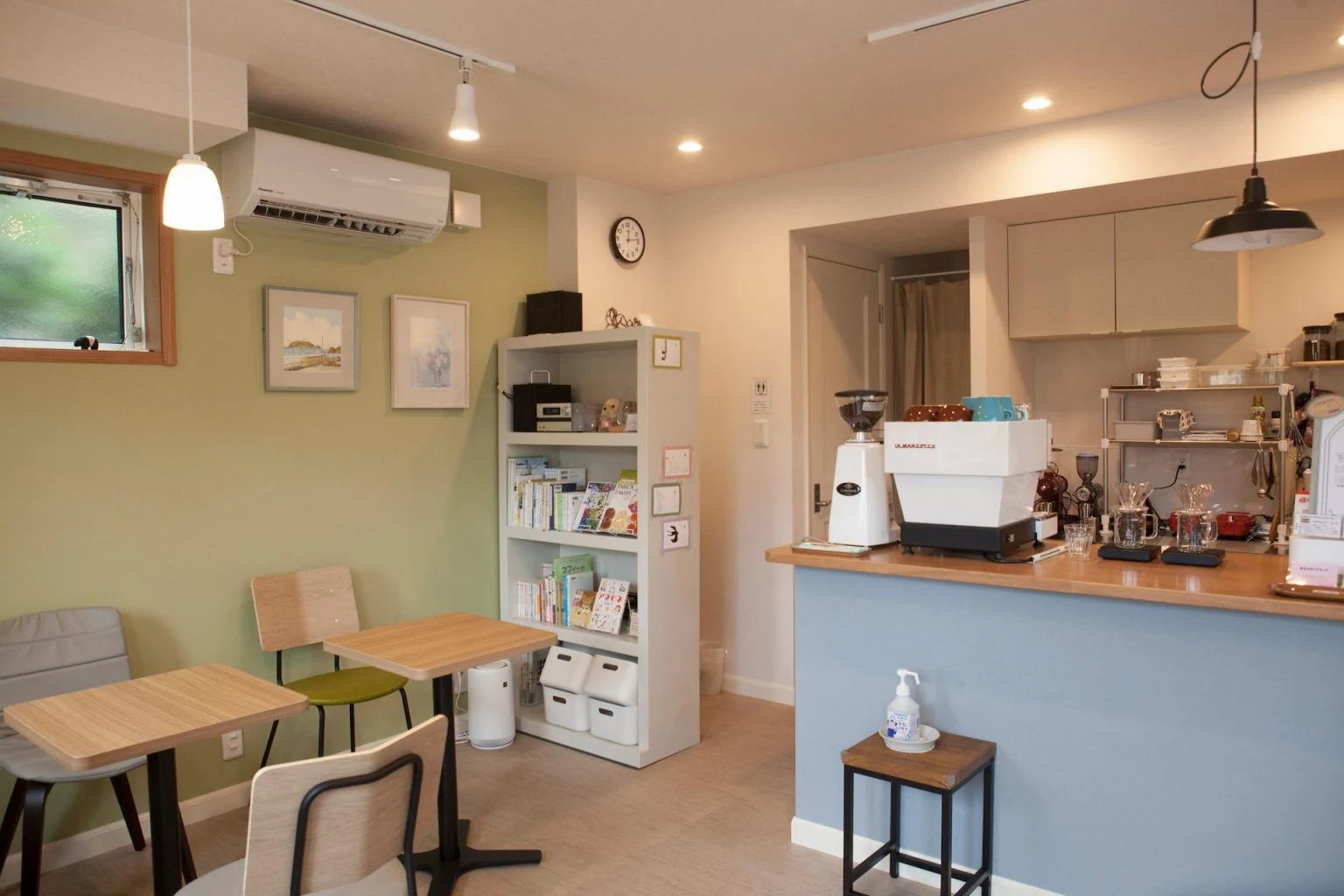
The highlight of Yanagikoji is its residential streets, not large tourist attractions. After placing an order at cotocoto coffee, the barista grinds and brews the coffee fresh on the spot, with the Enoden railway passing by the window. Sitting down to smell the coffee aroma and watching residents go about their daily lives captures the other side of this railway as a daily living route.
A detour to a small cheese dessert

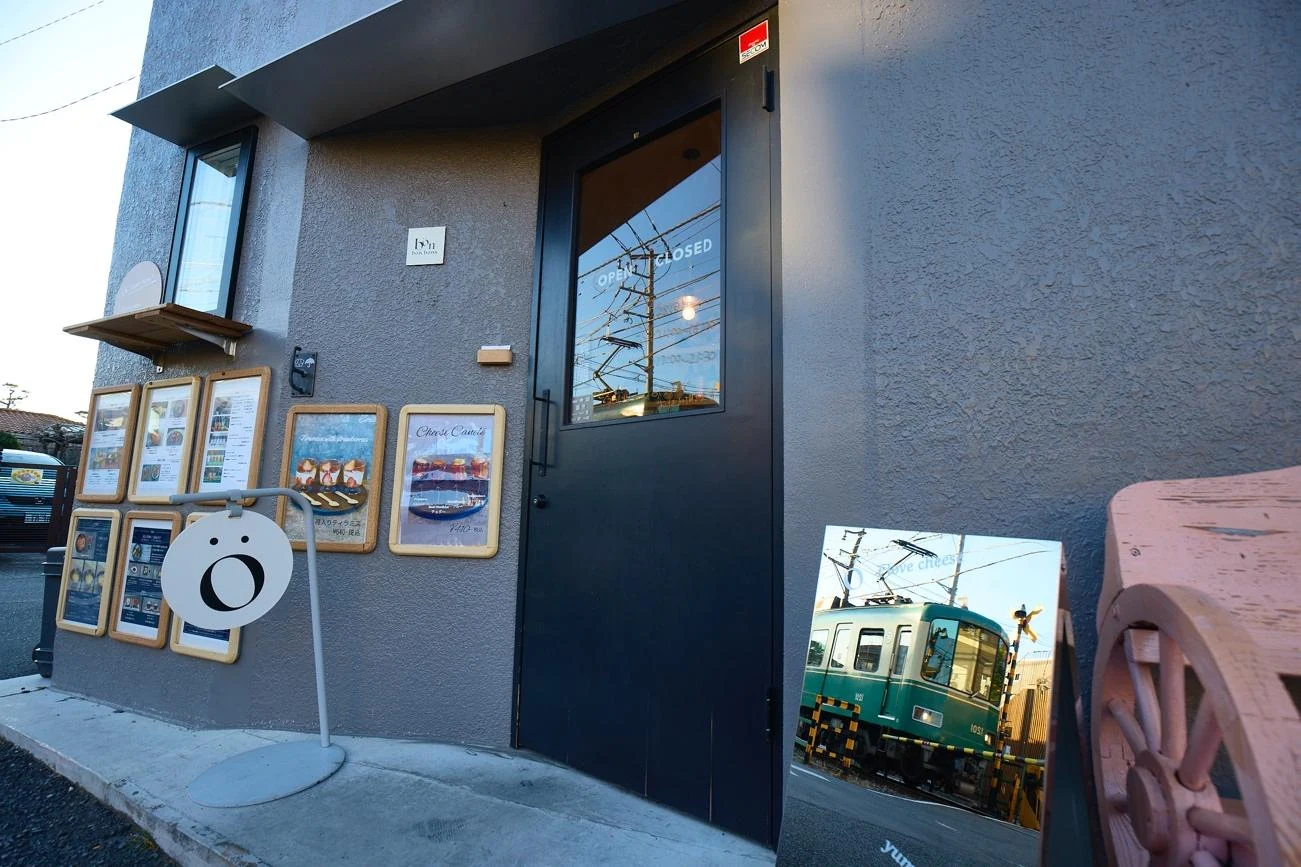
bonbonbons. adds another reason to stop with its cheesecake and cheese-flavored baked treats. Take a sweet away, then walk along public roads toward Kugenuma. Residential lanes are everyday living spaces, so leave room for residents to pass.

Sources

WALK A LITTLE FURTHER

Explore Yanagikoji on foot.

  • Yanagikoji Station surrounding alleyways

    Take walks around neighborhoods; residential areas along the route are the daily living spaces for residents, please stay on public roads.

    Access arrangements
    Strolling freely on public roads is recommended during the day; residential areas and stores follow their own regulations.
    Closed days
    There is no single closing day for the whole neighborhood.
    Fees
    Walking on public roads is free; food, drinks and train fares are separate.
    Reservations
    Walking is allowed without advance reservation.
    Suggested visit length (editorial)
    15 to 25 minutes; additional time required for coffee and desserts.
    When photographing trains, let residents and passengers pass first

    Yanagikoji is an unstaffed station in a residential neighborhood. Its official listing includes an accessible ramp, but no toilets or lockers. Stay on public roads, keep clear of the tracks, and do not wait for trains while standing in a level crossing. If you want a seated break, plan it during a café’s actual opening hours.

    Sources
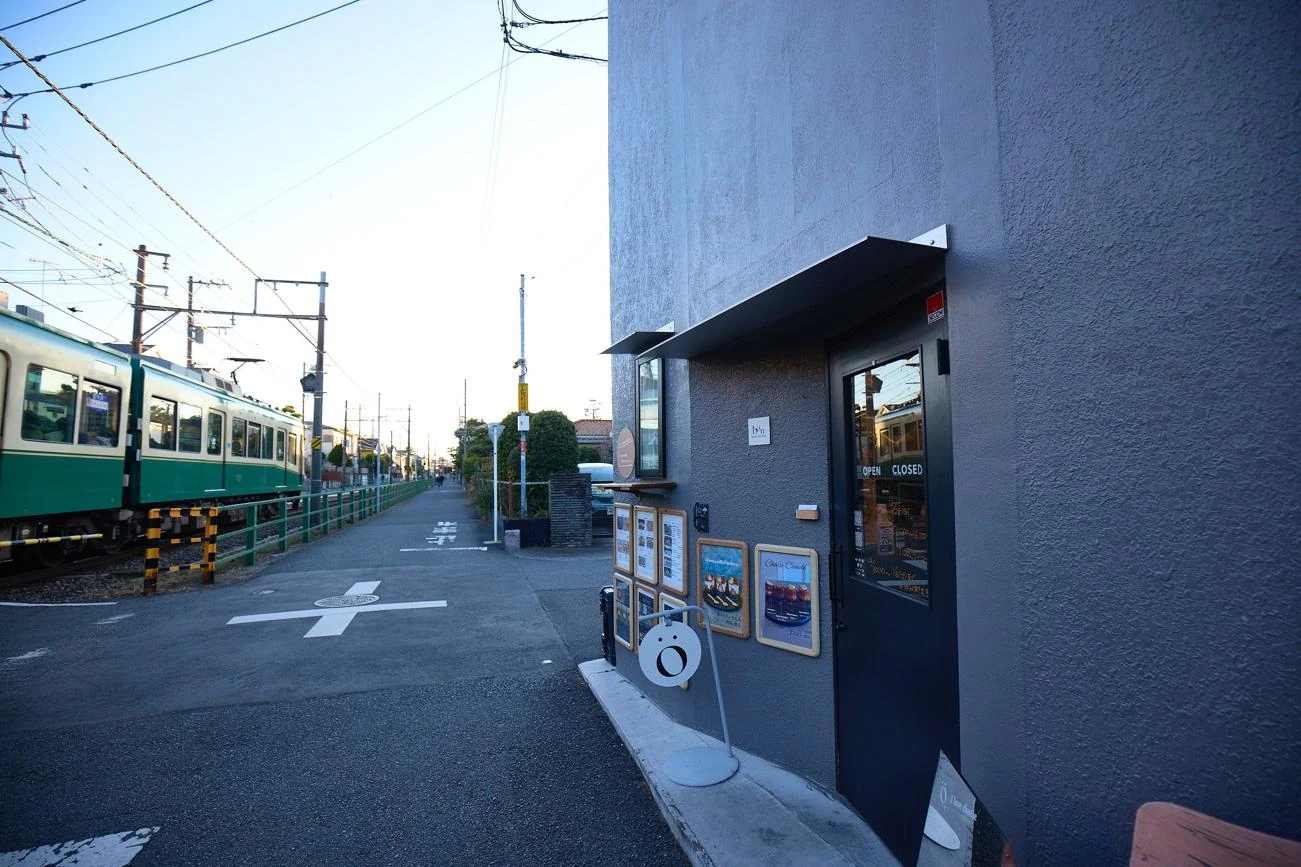
    The south side of the Yanagikoji station along the side streets, Enoden, and bonbonbons. View of the street scene beside the shop
    The south side of the Yanagikoji station along the side streets, Enoden, and bonbonbons. View of the street scene beside the shop© 江の島・鎌倉ナビ(江ノ島電鉄・小田急電鉄) ↗
  • Kugenuma cross-station walk

    You can go down to the next station, Kugenuma, and extend to the Sakai River area; this is a cross-station route, please plan according to your stamina and the map.

    Access arrangements
    Take a daytime stroll along the public street from Yanagikoji to Kugenuma; this is a self-chosen route with no fixed opening or closing hours.
    Closed days
    No unified rest day for the route; individual shops along the way have their own rest days.
    Fees
    Walking is free; additional meal expenses or switching to train will incur extra charges.
    Reservations
    Walking is allowed without advance reservation.
    Suggested visit length (editorial)
    30 to 45 minutes, including a brief view of street scenes; not the official walking time required.
    After arriving at Kugenuma, decide whether to add the riverbank.

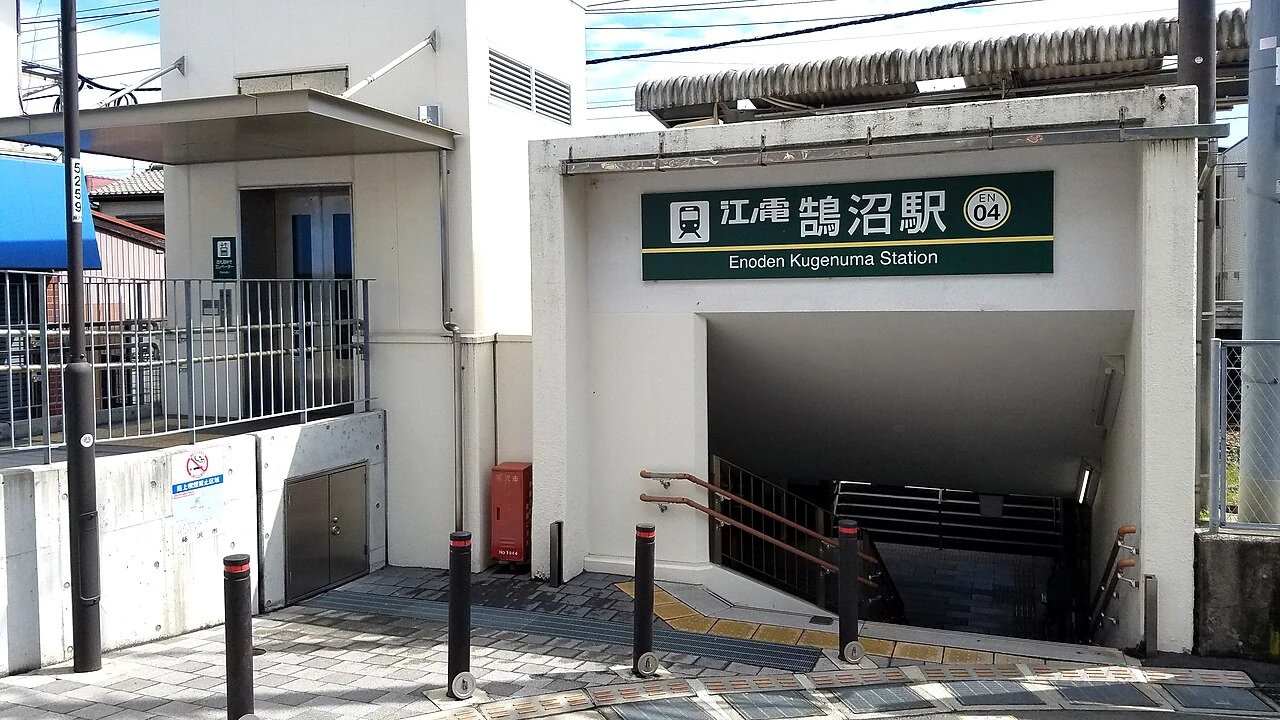
    Make Kugenuma Station the endpoint of this section first, then decide whether your energy allows a walk to the Sakai River or whether to take the train south. This is easier to navigate than following disconnected lanes beside the railway. Kugenuma Station has toilets and an elevator; Yanagikoji has no toilets. Mark useful facilities on your map as well.

    Sources
    One of the endpoints of a cross-station walk: Kugenuma Station, west exit
    One of the endpoints of a cross-station walk: Kugenuma Station, west exitLERK / Wikimedia Commons ↗CC BY-SA 4.0
  • Lotus ponds in Sakurakoji Park

    From Yanagikoji, walk westward toward the residential district to Sakurakoji Park's lotus pond. In summer, observe the lotus flowers and the greenery on the water surface, then return to the railway side to have coffee. The city's official flower calendar designates the period from early July to mid-August as the approximate time for lotus blooms; actual flowering times may vary depending on the weather conditions; other months do not feature peak blooms as a selling point.

    Access arrangements
    It is recommended to visit the outdoor park during the day; no fixed opening and closing hours have been obtained from the city authorities.
    Closed days
    There is no fixed closing day like that of a museum; maintenance works and on-site restrictions may still affect access.
    Fees
    Strolling in general parks is free.
    Reservations
    General flower-watching walks do not require advance booking.
    Suggested visit length (editorial)
    20–30 minutes, plus walking time to and from Yanagikoji Station.
    Coming for lotus flowers, plan according to the flowering season

    From the Yanagikoji station, take a 7-minute walk, with no parking available. The blooming period for lotus flowers is generally considered from early July to mid-August, subject to weather conditions; outside this period, the pond and surrounding greenery can be viewed, though flowering is not guaranteed. It is recommended to treat this as a brief stop, avoiding entering the pondside plantings or crossing the fencing.

    Sources
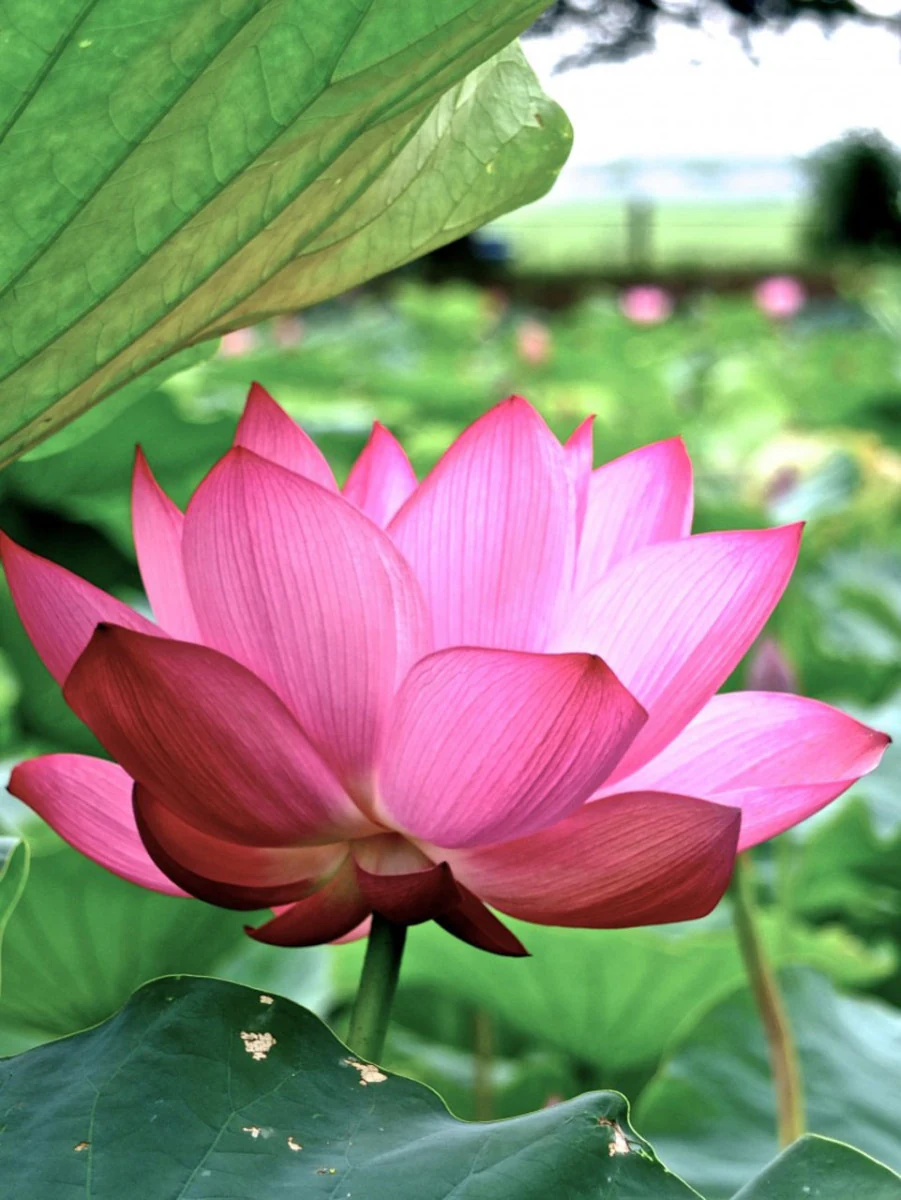
    The pink lotus flowers in full bloom at Sakurakoji Park
    The pink lotus flowers in full bloom at Sakurakoji Park© 公益社團法人神奈川縣觀光協會 · 官方照片 ↗

This station has no toilets. To see the sea, continue by train to Shonan-kaigankoen or Enoshima; there is no need to search for sea views in the residential neighborhood.

Map

TASTE THE NEIGHBOURHOOD

This stop, worth lingering for a taste.

Next stop, a different sea breeze.

Back to Kamakura’s three chapters