First In StayTOKYOGINZA · TSUKIJIGuest check-in

Pine shadows, the riverside and the slow pace of a villa district

Kugenuma’s name is said to come from swans that once visited its wetlands. In modern times, the railway and the popularity of sea bathing helped it develop into a villa district, drawing writers and painters who left works inspired by the area. Enoden’s Kugenuma Station lies among homes near the Sakai River; it is separate from Odakyu’s Kugenuma-kaigan Station. Enjoy the quiet streets, then extend your walk to the river to discover the inland side of Shonan life.

This stop, walk like this · Suggested 60–100 minutes

Swan murals, the Sakai River and coffee near the next station

This station offers residential streets, swan imagery and river views, rather than direct sea views. Kugenuma, Kugenuma-kaigan and Hon-Kugenuma are separate stations. Shorten the riverside section in rain, and select an entrance according to the station’s current accessibility notices.

What to look for in each section
  1. 01

    Kugenuma Station’s swan mural

    Read the station artwork for local imagery connecting the character 鵠 with swans.

  2. 02

    Sakai River bank public road

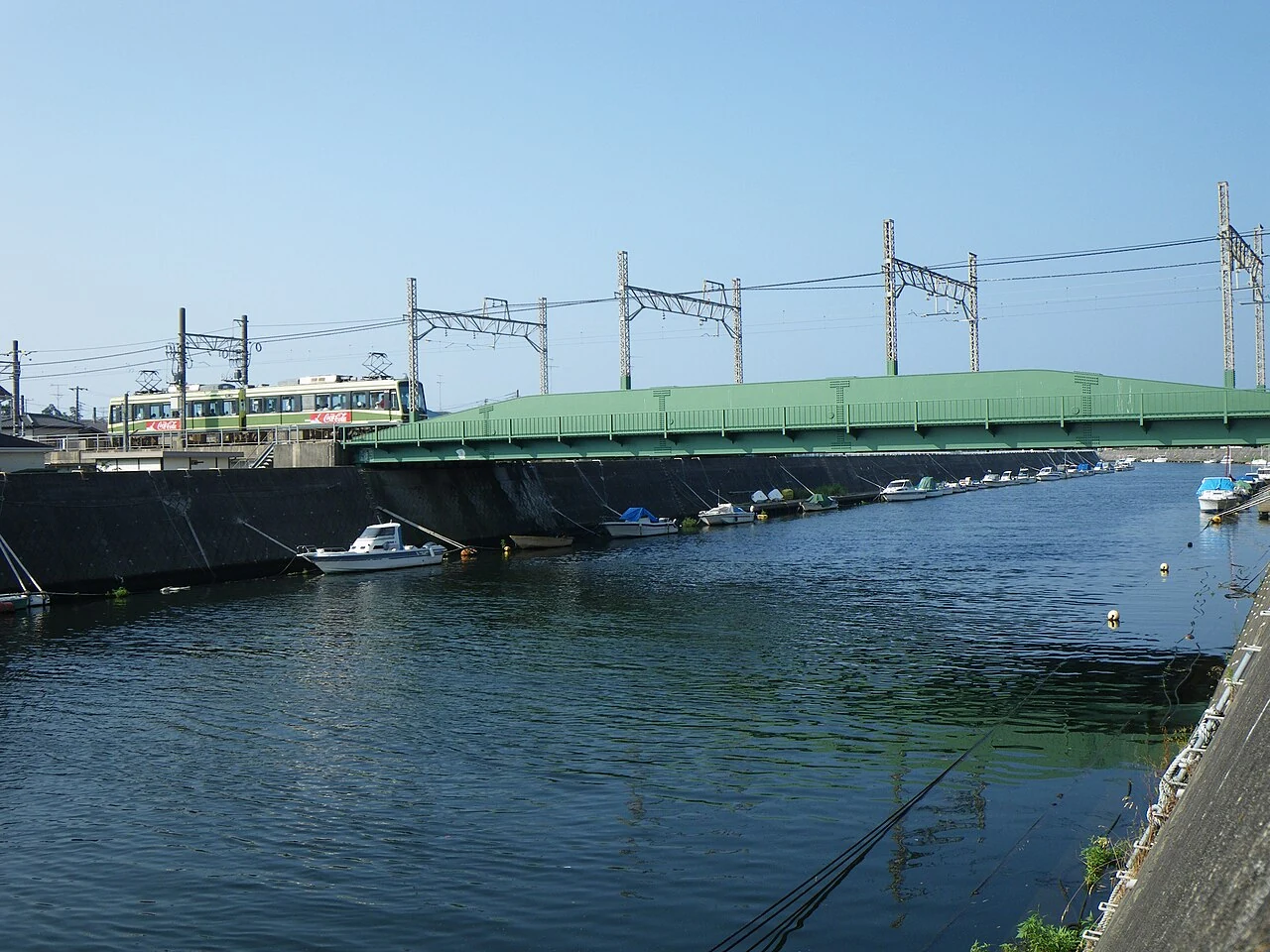
    First, take a short walk along the riverbank near the station, enjoying the scenery of the railway and water surface forming a district landscape.

  3. 03

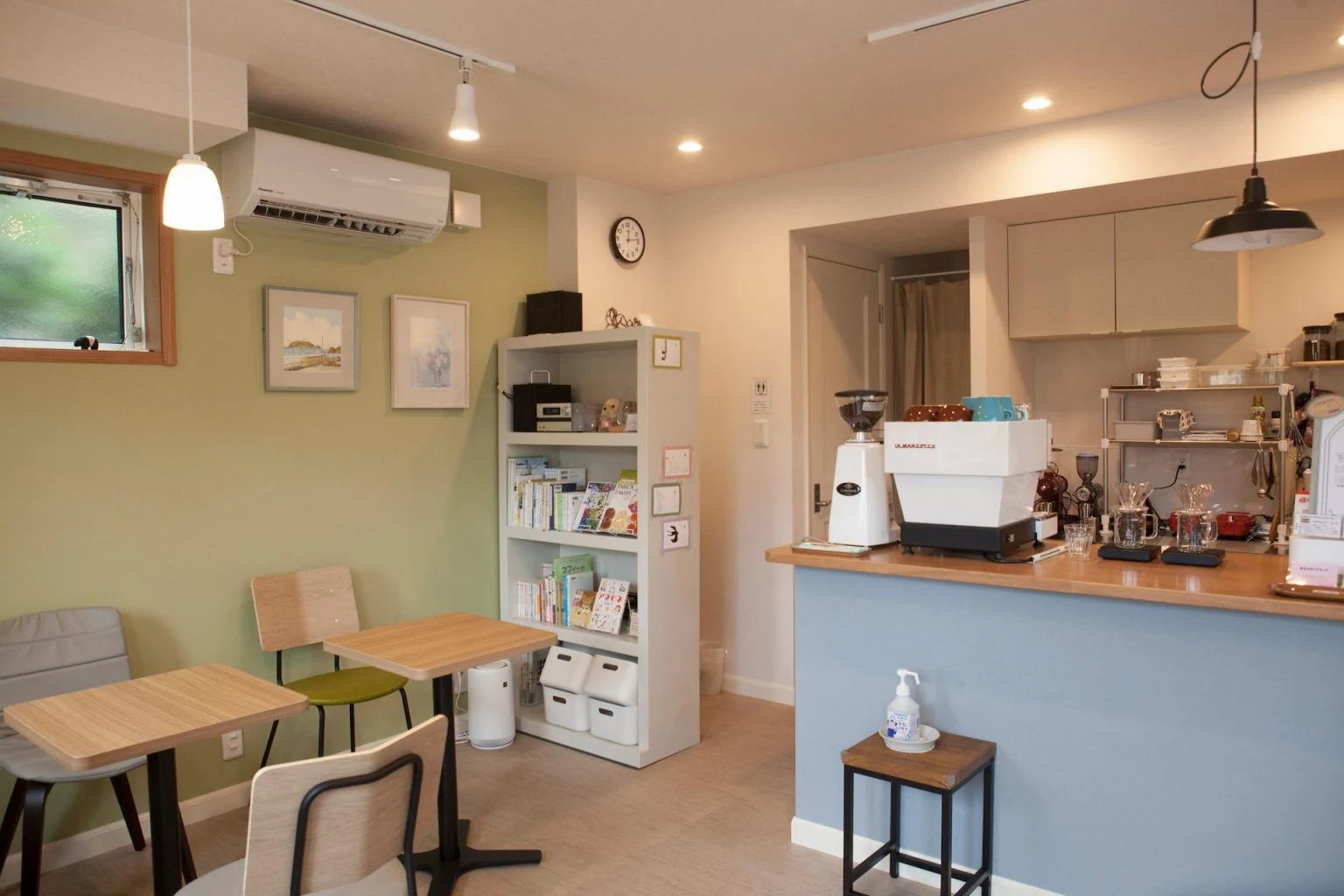
    Cotocoto Coffee—Yanagikoji direction

    Turn back toward the residential street and go north to the café closer to Yanagikoji.

  4. 04

    Yanagikoji Station

    Continue riding from the adjacent station, completing a short cross-station walk.

This route involves a short visit to the Sakai River, then turning back toward the north, rather than proceeding along the river all the way to Yanagikoji; public roads are followed according to the map navigation, without using railway land.

Sources

THE STORY OF EN04

Pine shadows, the riverside and the slow pace of a villa district

From the place name, read about Shonan villa culture

Kugenuma’s name is linked to a tradition of swans visiting its wetlands. In modern times, railway access and sea-bathing culture helped it develop as a villa district. This station lies among homes near the Sakai River, offering greenery, river views and everyday scenes on public bridges. It is separate from Odakyu’s Kugenuma-kaigan Station.

Take a walk to the neighboring station coffee

If you prefer the quiet of a residential neighborhood, take a walk connecting Kugenuma and Yanagikoji, then head to cotocoto coffee's pour-over shop. This shop is located closer to Yanagikoji, serving as a dining stop along a cross-station stroll; once you confirm the direction, a cup of coffee will naturally connect you to the riverbank and neighborhood scenery.
Sources

WALK A LITTLE FURTHER

Explore Kugenuma on foot.

  • Kugenuma District

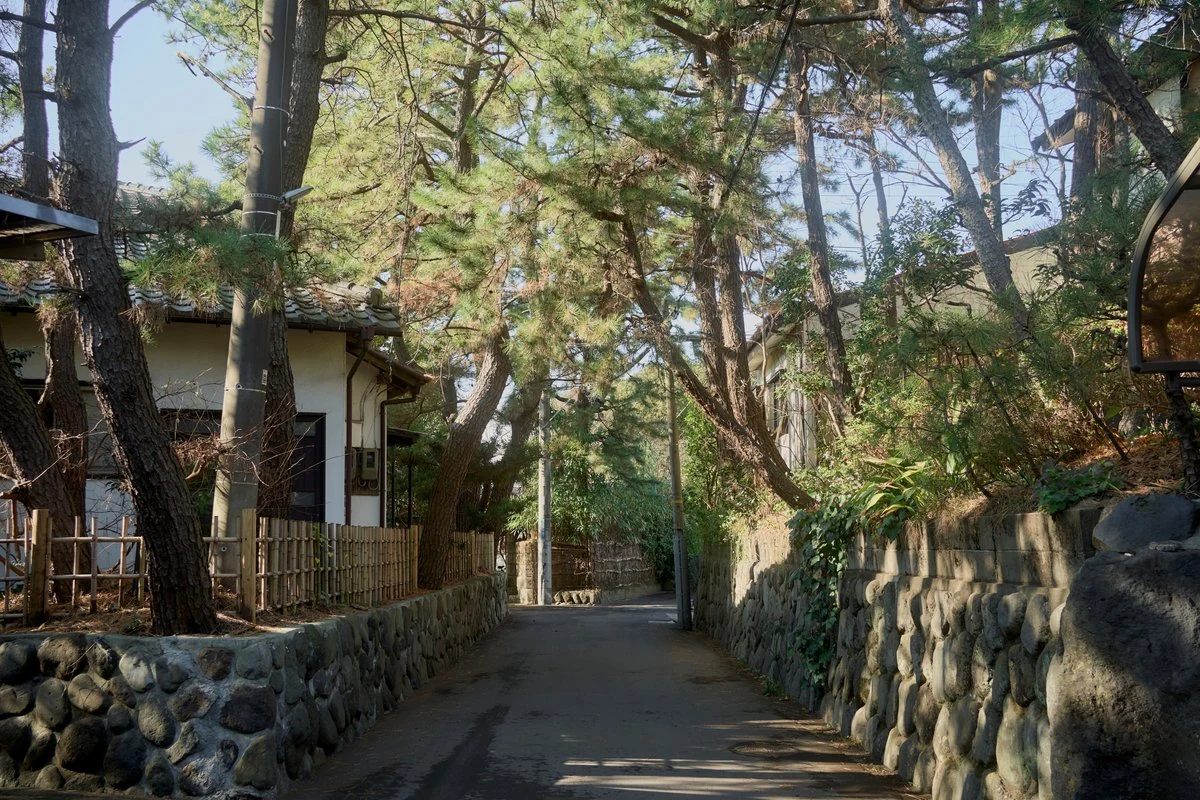
    Observe the streets retaining a residential scale and greenery, understanding the living landscape left behind by the development of seaside villa estates.

    Access arrangements
    Strolling on public streets during the day; private residences and gardens are not part of the tour.
    Closed days
    There is no single closing day for the whole neighborhood.
    Fees
    Strolling on public roads is free; additional charges apply for consumption and transportation.
    Reservations
    Walking is allowed without advance reservation.
    Suggested visit length (editorial)
    20 to 40 minutes; if visiting the Sakai River, allow an additional 20 to 30 minutes.
    When looking at the map, select Enoden Kugenuma Station

    Kugenuma covers a fairly large area. The tourism association’s full cultural heritage route extends as far as Odakyu’s Kugenuma-kaigan Station. This itinerary covers only streets near Enoden’s Kugenuma Station. Do not treat the two stations as the same starting point or use the full heritage route’s duration to estimate a brief stop here.

    Sources
    Pines, stone walls and bamboo-fenced lanes in Kugenuma Matsugaoka
    Pines, stone walls and bamboo-fenced lanes in Kugenuma Matsugaoka來源:株式會社セット/SETnote(官方文章) ↗
  • Sakai River area

    Viewing a train passing through a neighborhood from public bridge and riverbank roads; choose a route based on on-site pedestrian pathways.

    Access arrangements
    Viewing from the public bridge and walkable riverbank pathways, recommended during the day; not a closed-off scenic area.
    Closed days
    There is no fixed closing day as there would be at a visitor attraction; roadworks and on-site closures are exceptions.
    Fees
    Walking is free on public roads and bridges.
    Reservations
    Walking is allowed without advance reservation.
    Suggested visit length (editorial)
    20 to 30 minutes, depending on the selected riverbank route.
    Choose short sections with pedestrian pathways, without having to walk all the way along the water's edge.

    Use public roads near Kugenuma Station to find a river view where you can safely pause, then decide whether to turn back or visit a nearby shrine. The bridge approaches and riverside roads are still used by residents, and a continuous dedicated sidewalk is not guaranteed. Shorten the walk if you encounter narrow roads, construction barriers or poor weather.

    Sources
    Kugenuma Station south side, Sakai River, Enoden bridge and train (photograph taken in 2008)
    Kugenuma Station south side, Sakai River, Enoden bridge and train (photograph taken in 2008)surimu / Wikimedia Commons ↗CC BY 3.0
  • Kaku Shrine

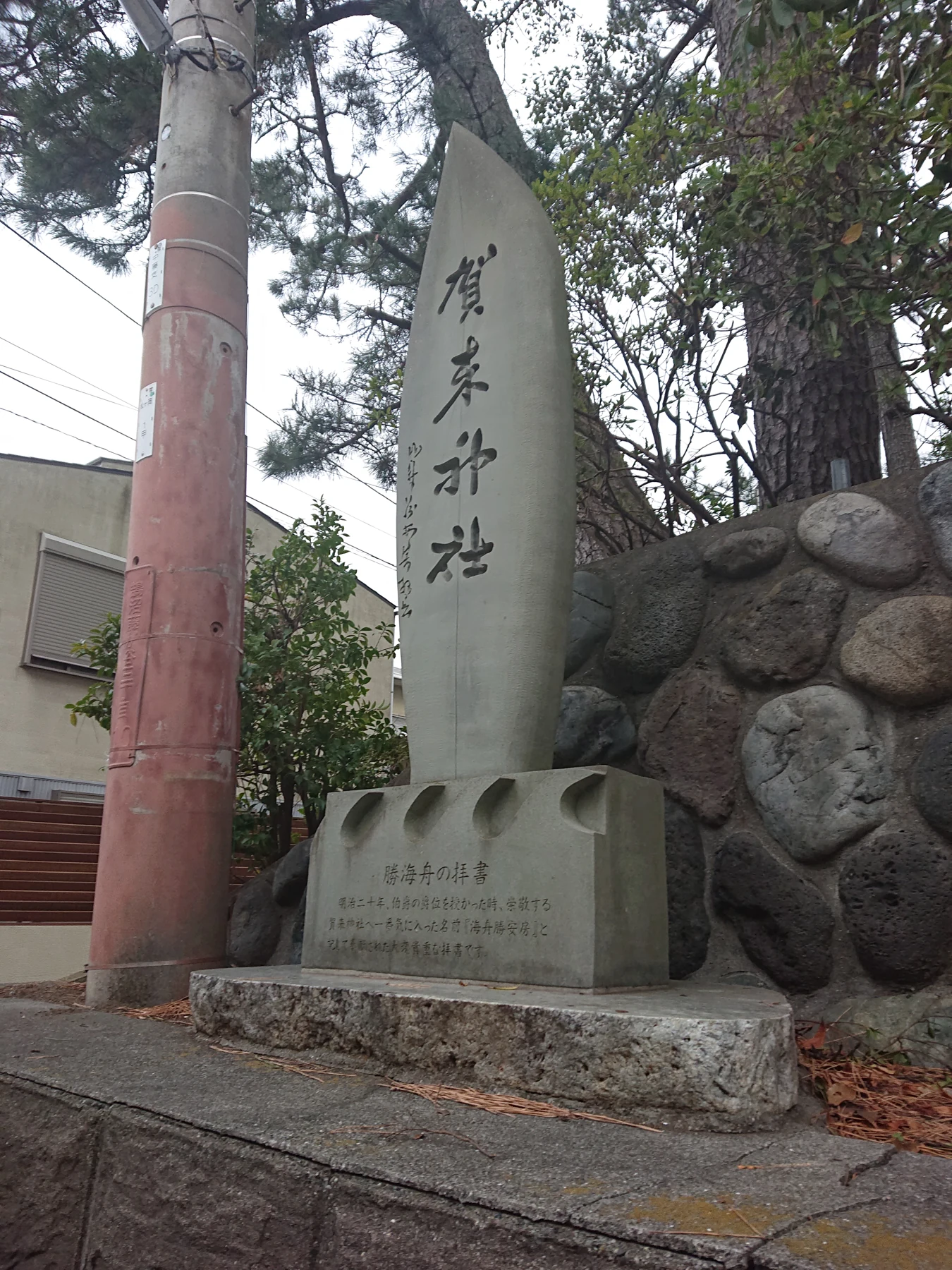
    The shrine beside the station inscribes the Shonan coastal culture at its entrance: a surfboard-shaped stone tablet bearing the shrine's name stands on a base shaped like waves, together with pine trees and torii gates forming a small and distinct neighborhood memory.

    How to visit
    A brief daytime visit to the grounds is recommended. The shrine association does not list fixed gate hours or hours for the shrine’s talisman counter.
    Closed days
    No official announcement has been made regarding fixed rest days for general visits; shrine staff cannot guarantee they will be present at all times.
    Fees
    No admission ticket is listed for a general visit to the shrine grounds. Offerings are voluntary; contact the shrine separately about ofuda talismans and prayer services.
    Reservations
    A brief visit to the grounds needs no reservation. For ofuda talismans or prayer services, contact the shrine specified by the shrine association.
    Suggested visit length (editorial)
    10 to 20 minutes.
    Check the address before planning a short stop

    The Kanagawa Prefectural Association of Shinto Shrines lists the address as 3-10-19 Kugenuma Fujigaya, Fujisawa. Enter this address and Kaku Shrine (賀来神社) into your map, rather than another address in Kataseyama. For ofuda talismans or prayer services, the official page directs inquiries to Kodaijingu Shrine. Access to the grounds does not mean that shrine items and services are always available on site.

    Sources
    Kaku Shrine: a surfboard-shaped stone marker beside the pines

    Kaku Shrine beside Kugenuma Station has a surfboard-shaped stone name marker at its entrance, set on a base carved into waves. The Fujisawa City Tourism Association’s guide highlights this Shonan detail and records that the shrine name is said to follow calligraphy by Katsu Kaishu. Stop briefly before or after a walk along the Sakai River: the marker, pines and torii offer a glimpse of local faith in this residential neighborhood.

    Sources
    The surfboard-shaped shrine plaque at the entrance of Kaku Shrine
    The surfboard-shaped shrine plaque at the entrance of Kaku Shrineあおのひーたん / Wikimedia Commons ↗CC BY-SA 4.0

Kugenuma, Kugenuma-kaigan and Hon-Kugenuma are separate stations in different locations. Check the restaurant’s address carefully.

After walking between stations, check how to enter and exit the unstaffed station

Kugenuma is unstaffed. If using an IC card, tap the simple card reader when entering and again when exiting. Follow Enoden’s instructions for paper tickets: hand used tickets to train staff or put them in the used-ticket box. The station has toilets and an elevator. If you walk here from Yanagikoji before continuing south by train, use this stop to freshen up and organize your supplies. Wheelchair users can ask the conductor for boarding and alighting assistance.

Sources
Map

TASTE THE NEIGHBOURHOOD

This stop, worth lingering for a taste.

Next stop, a different sea breeze.

Back to Kamakura’s three chapters