First In StayTOKYOGINZA · TSUKIJIGuest check-in

Ninsho’s compassion and the quiet of a valley café

Gokurakuji lies in a valley surrounded by hills. Its grounds were once much larger and included medical and relief facilities associated with the monk Ninsho’s compassionate work. The little station and thatched temple gate preserve a quiet atmosphere. Nearby Gokurakuji-zaka was an important historic route connecting Kamakura with the outside world. Cross the slope to Jojuin, then continue toward Hase to experience the old capital’s transition from valley to sea.

This stop, walk like this · Suggested 100–150 minutes

Valley cafés, ancient temples and a view of Yuigahama

This is a one-way walk over slopes toward Hase; steps can be slippery in rain. Follow Gokurakuji’s rules for visiting and photography. Jojuin’s focus is its temple and sea view; old photographs of extensive hydrangea plantings do not guarantee today’s conditions.

What to look for in each section
  1. 01

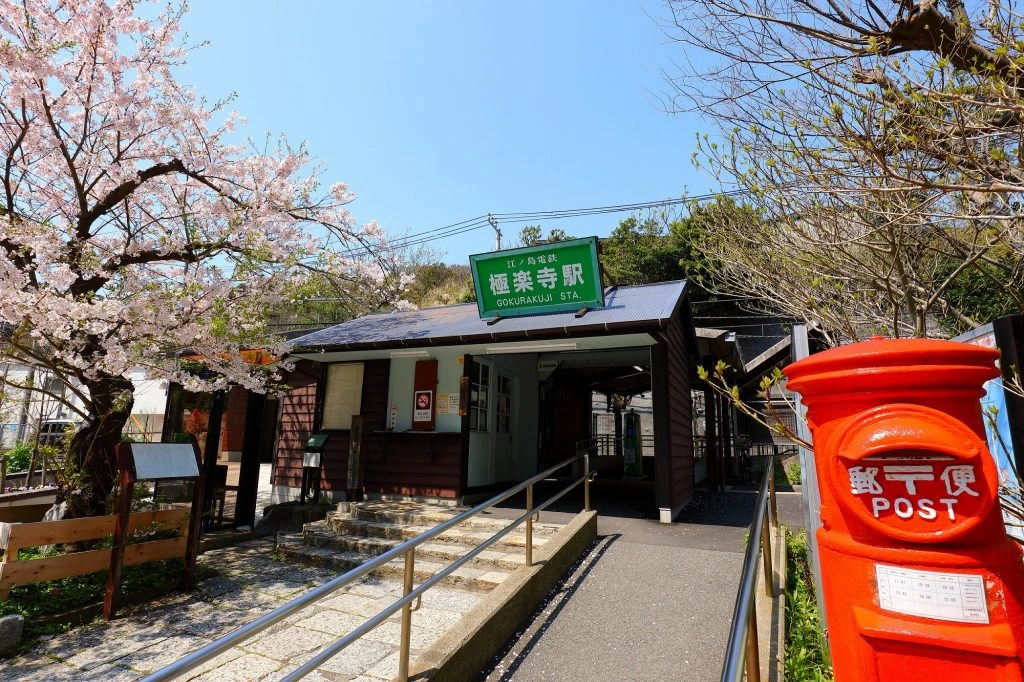
    Gokurakuji Station front red mailbox

    Take a departure souvenir photo using the red cylindrical postbox, green signage, and wooden station building.

  2. 02

    SOMETHING’S COFFEEHOUSE

    Walk from Gokurakuji Station to a nearby café for a break.

  3. 03

    Gokurakuji

    Return to the old temple, worship and learn about Ninsho’s charitable relief work.

  4. 04

    Sakura Bridge and the exterior of Gokurakudo Tunnel

    From the public bridge, view the tunnel entrance and remain in accordance with on-site instructions.

  5. 05

    Gokurakuji-zaka and Jojuin

    Go along the public road past the slope, then look at Yuigahama from the approach to the Jojuin Temple.

  6. 06

    Hase Station

    Continue through Sakanoshita toward Hase, then take the train or begin the next temple visit.

Skip coffee if the café is closed on an irregular closing day. This route does not include visits inside Hasedera or the Great Buddha temple.

Sources

THE STORY OF EN11

Ninsho’s compassion and the quiet of a valley café

The ancient temple once cared for people

Gokurakuji’s story includes more than its thatched gate: it also holds Ninsho’s work in medical care and charitable relief. Valley, old road and temple come together, revealing Kamakura’s terrain through a walk. Visit Sakura Bridge to see Gokurakudo Tunnel, then continue toward Jojuin as the valley scenery opens out.

Light-roast coffee and a break in the valley

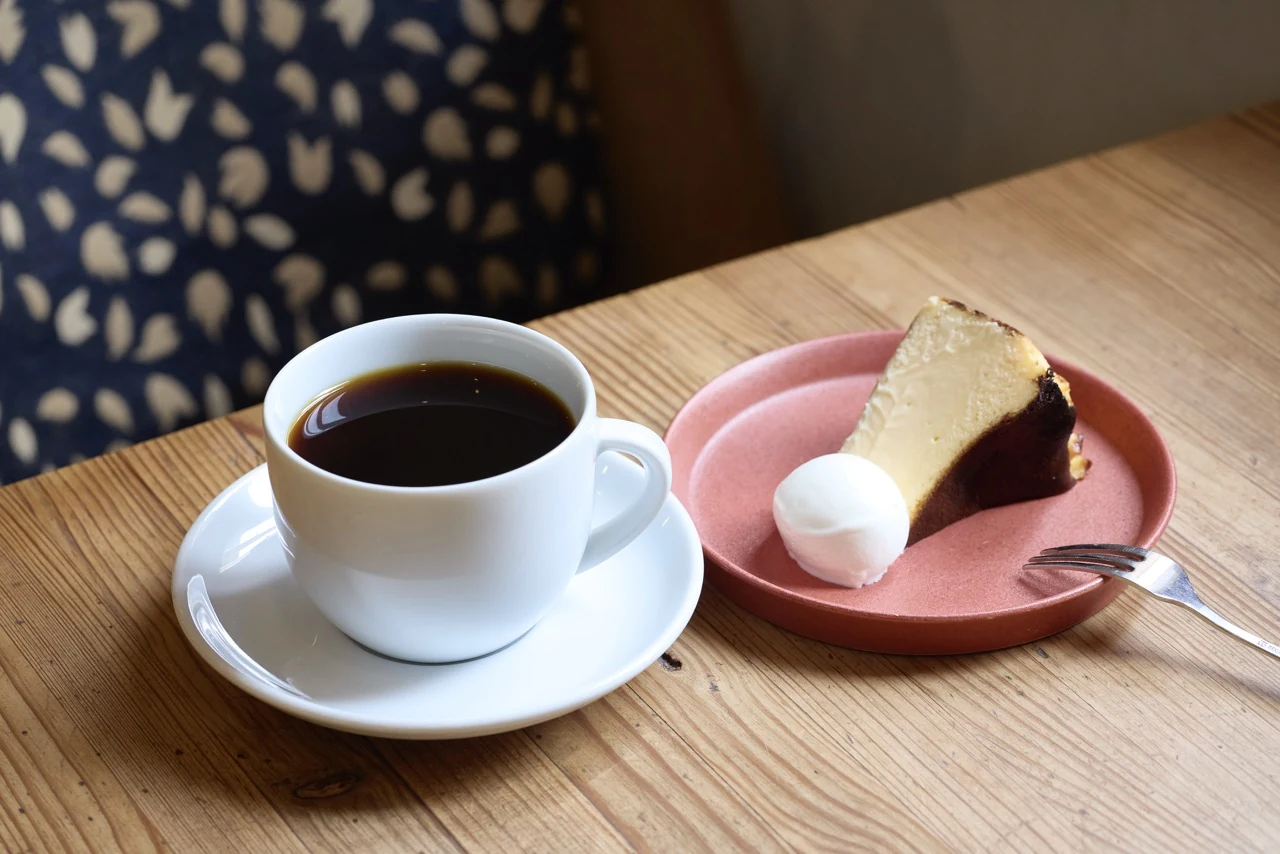
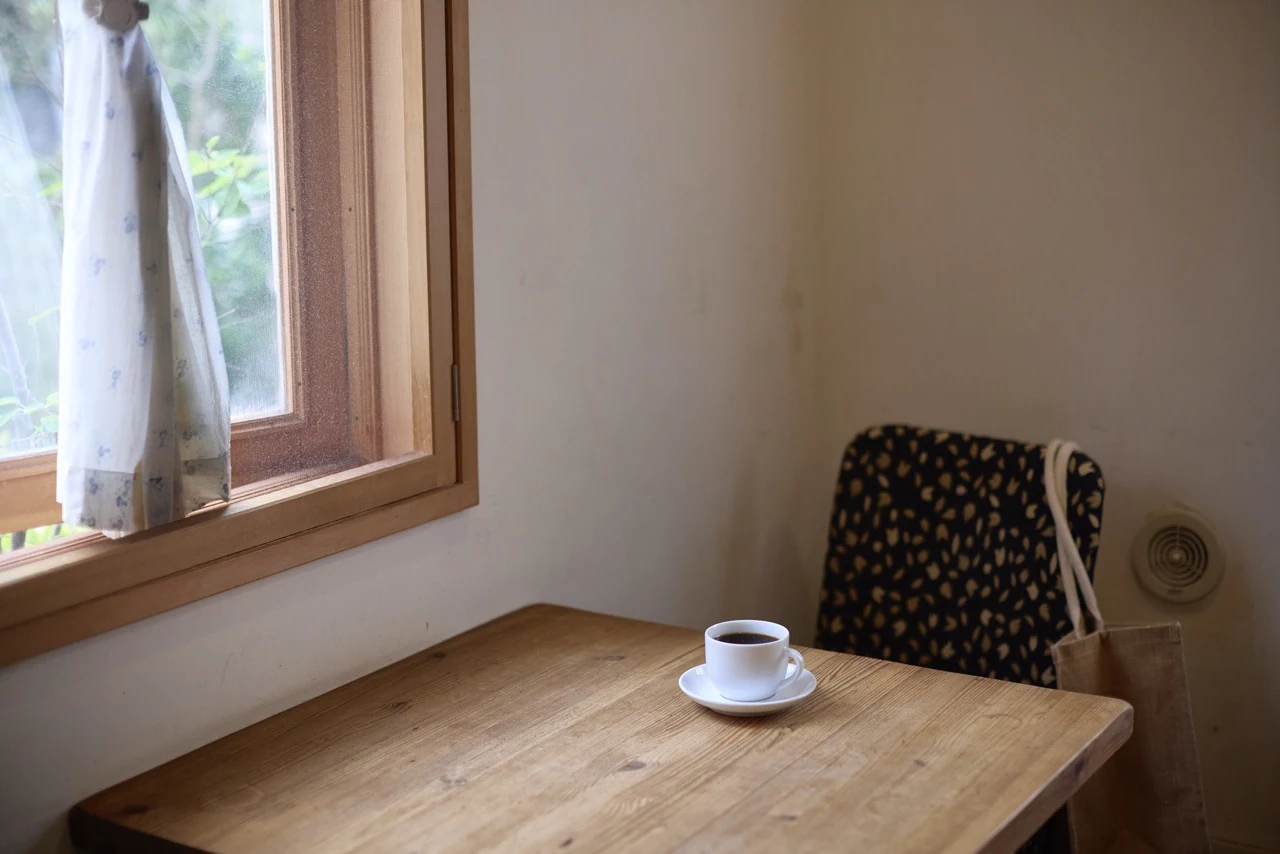
SOMETHING'S COFFEEHOUSE adds a different aroma to the small station with its freshly roasted coffee and pastries. After visiting the temple, enjoying a cup of coffee can maintain the tranquil pace of the trip; the café and temple each have their own operating schedules, and the order of visits is determined by the day's conditions.

Sources

WALK A LITTLE FURTHER

Explore Gokurakuji on foot.

  • Outside Gokurakuji Station · Red cylindrical postbox

    You'll encounter this bright red round mailbox right at the station exit. Positioning the mailbox in the foreground, alongside the green station sign and wooden station building left in the background, creates one of the most recognizable photos at Gokurakuji; in spring, you can also include the cherry blossoms in front of the station in the picture. It is also one of the designated photo spots featured in Enoden's official tourism route guide.

    Location
    After exiting Gokurakuji Station, by the mailbox at the station's front.
    Cost and time
    Photography is free in the plaza in front of the station, no ticket purchase required; it is recommended to visit during the day.
    Suggested visit length
    5 to 10 minutes, you can then proceed to Gokurakuji and Sakura Bridge.
    Photography angle
    From an accessible public area in front of the station, frame the red mailbox with the green station sign. Keep station access and the approach to the mailbox clear.
    The red cylindrical postbox, wooden station building, and spring cherry blossoms in front of Gokurakuji Station
    The red cylindrical postbox, wooden station building, and spring cherry blossoms in front of Gokurakuji Station江之島・鎌倉ナビ © 江ノ島電鉄株式会社・小田急電鉄株式会社 ↗
  • Gokurakuji

    Learn about the old temple and its history of charitable relief through the thatched entrance gate and grounds. Follow on-site visiting and photography rules.

    Visiting hours
    09:00–16:30。
    Admission
    Temple grounds entrance is free, donations are welcome; Treasure Museum admission is an additional ¥300.
    Treasure Museum opening hours
    10:00–16:00; from 4/25 to 5/25, and from 10/25 to 11/25, open on Tuesday, Thursday, Saturday, and Sunday; closed on rainy days.
    Suggested visit length
    20 to 30 minutes; if the Treasure Museum is open, an additional 20 minutes may be added (editor's recommendation).
    First clarify temple grounds visits versus Treasure Museum opening hours.

    The temple grounds have different hours from the Treasure Museum, so if you'd like to see the Buddha statue collection, please check both the date and the day of the week. For a general stroll, you may first visit the temple, then walk to Sakurabashi Bridge or Jojuin Temple; photography should follow on-site signs, and please keep the temple grounds quiet.

    Sources
  • Gokurakuji Pass and Jojuin Temple

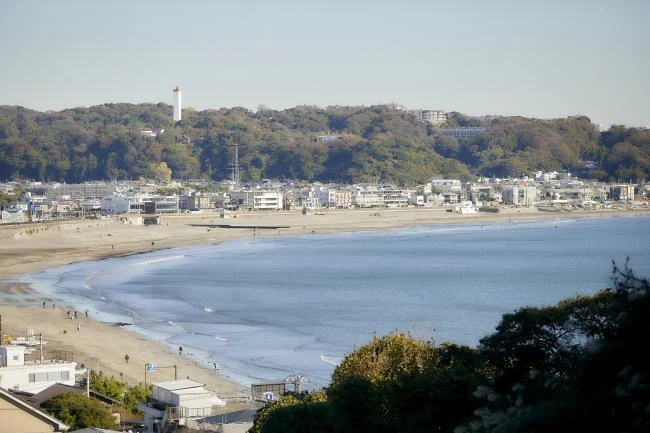
    Follow public roads through this historic entrance to the old capital, then climb Jojuin’s approach for a view toward Yuigahama.

    Visiting Jojuin Temple
    08:00–17:00; from 11/1 to 3/1 closing time moved to 16:30.
    Fees
    Strolling along the public road is free; donations at Jojuin Temple are made on a voluntary basis.
    Suggested visit length
    30–45 minutes in total, including the slope, temple visit and sea view (editorial suggestion).
    Photography
    Tripods are not allowed at Jojuin Temple.
    After viewing the sea, follow the slope to Hase.

    Approach Jojuin from Gokurakuji for the view of Yuigahama, then continue through Sakanoshita to Hase for a natural route. The old cutting is now a road used by vehicles; use the available pedestrian space. Do not assume that the hydrangea-lined approach in old photos still exists: most of the temple’s former hydrangeas were donated to Minamisanriku.

    Sources
    Looking down from Jojuin Temple towards the curves of Yuigahama and Kamakura coastlines
    Looking down from Jojuin Temple towards the curves of Yuigahama and Kamakura coastlines公益社團法人鎌倉市觀光協會 · 版權保留 ↗
  • View of Gokurakudo Tunnel from Sakura Bridge

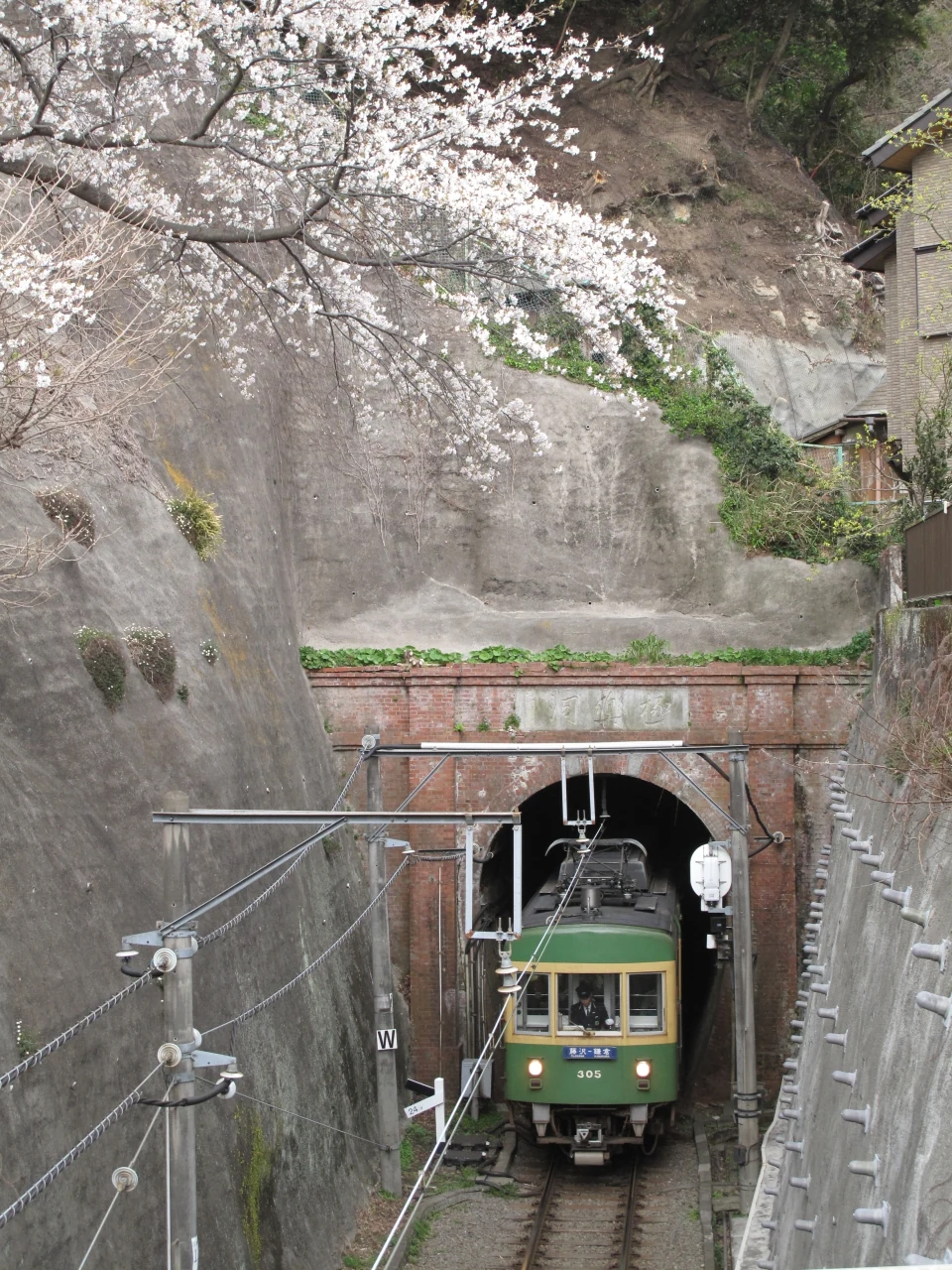
    Gokurakudo Tunnel, Enoden’s only tunnel, was completed in 1907. View the railway from the public bridge near the station, and stay off the tracks.

    How to visit
    View the tunnel exterior from the public bridge, free of charge and no reservation required; recommended to visit during the day.
    Suggested visit length
    10 to 15 minutes, just wait for a train to pass (editor's suggestion).
    Viewing direction
    After leaving Gokurakuji Station, turn left and go uphill to Sakura Bridge. From there you can see the plaque reading Gokurakudo (極樂洞) on the Fujisawa side.
    The bridge offers a clear view of the brick tunnel portal

    Sakura Bridge is a viewpoint featured in an official railway walking route. The plaque at the other end, reading 千歲開道, is hidden by rockfall protection, so there is no need to enter railway facilities to find it. Leave room for people to cross the bridge, and keep off the tracks, train inspection areas and private land.

    Sources
    Looking towards Sakura Bridge, you can see cherry blossoms, Enoden, and the entrance to the Gokurakudo Tunnel
    Looking towards Sakura Bridge, you can see cherry blossoms, Enoden, and the entrance to the Gokurakudo Tunnel江之島・鎌倉ナビ © 江ノ島電鉄株式会社・小田急電鉄株式会社 ↗

This section includes slopes and steps. Take time to appreciate the temple’s quiet atmosphere rather than chase photo angles.

Map

TASTE THE NEIGHBOURHOOD

This stop, worth lingering for a taste.

Next stop, a different sea breeze.

Back to Kamakura’s three chapters